
The Crispr Sickle Cell Therapy has been making waves in the medical community, with promising results from ongoing clinical trials. Honestly, this is wild - we're talking about a potential cure for a disease that affects millions worldwide. But what does this actually mean for patients waiting for the FDA approval?
What is Crispr Sickle Cell Therapy?
Look, here's the deal - Crispr is a gene-editing tool that allows scientists to modify the brain and other parts of the body. In the case of sickle cell disease, it's used to edit the gene responsible for the condition. I know what you're thinking... how does it work? Well, it's pretty simple - the drug uses Crispr to modify the patient's cells, effectively curing the disease.
Still skeptical? Fair enough.
When Can We Expect FDA Approval?
The FDA approval process is a long and tedious one, but experts predict that we can expect an update on the Crispr Sickle Cell Therapy approval timeline by the end of 2026. But what's the holdup? According to FDA officials, it's all about ensuring the drug is safe and effective for patients. Some key benefits of the Crispr Sickle Cell Therapy include: * Reduced risk of neuro damage * Improved health outcomes for patients * Potential to cure the disease altogether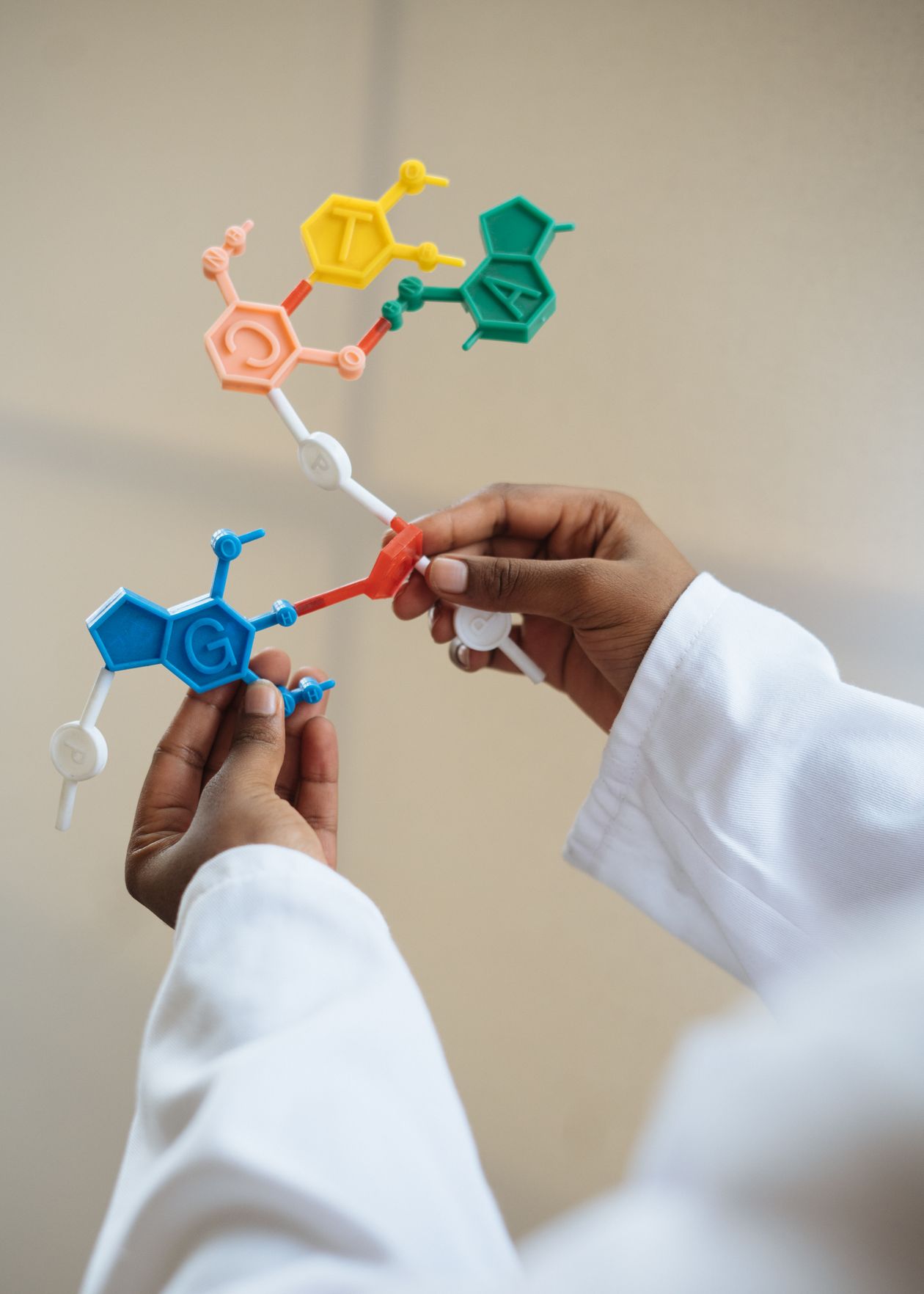
How Does Crispr Sickle Cell Therapy Work?
The Crispr Sickle Cell Therapy uses a combination of gene editing and cell therapy to modify the patient's cells. It's a complex process, but essentially, it involves using Crispr to edit the gene responsible for the disease, and then using cell therapy to replace the damaged cells with healthy ones. As the image above shows, this process can be pretty intricate.
Still skeptical? Fair enough.