
The recent release of Llama 3.3 70b has sparked a heated debate about its coding capabilities compared to GPT-4, with many developers searching for a detailed Llama 3.3 70b vs GPT-4 Coding Comparison. But what does this actually mean for the future of AI and machine learning? Let's get into the world of neural networks and explore the strengths and weaknesses of each model.
What are Llama 3.3 70b and GPT-4?
Llama 3.3 70b and GPT-4 are two of the most advanced language models currently available, developed by Meta and OpenAI respectively. According to a recent study by NVIDIA, these models have the potential to transform the field of deep learning.
Still skeptical? Fair enough.
How do they compare for coding tasks?
When it comes to coding tasks, Llama 3.3 70b and GPT-4 have different strengths and weaknesses. Llama 3.3 70b excels at generating code in a variety of programming languages, including Python and Java. On the other hand, GPT-4 is better suited for more complex coding tasks, such as debugging and optimization. As stated by OpenAI, GPT-4 has been trained on a massive dataset of code and can generate high-quality code snippets.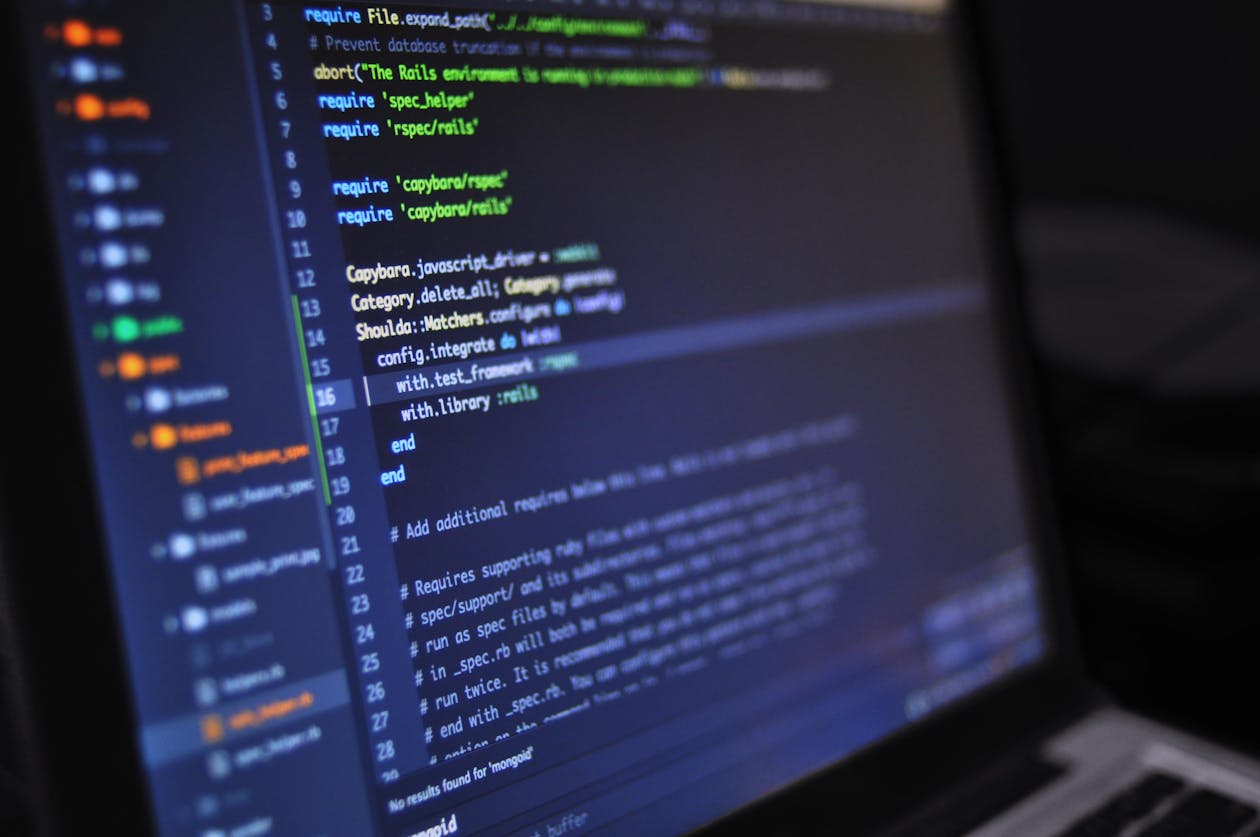
What are the key differences between Llama 3.3 70b and GPT-4?
Some of the key differences between Llama 3.3 70b and GPT-4 include:- Model size: Llama 3.3 70b has 70 billion parameters, while GPT-4 has 45 billion parameters
- Training data: Llama 3.3 70b was trained on a dataset of 1.5 trillion parameters, while GPT-4 was trained on a dataset of 1.2 trillion parameters
- Coding capabilities: Llama 3.3 70b excels at generating code in a variety of programming languages, while GPT-4 is better suited for more complex coding tasks

But what does this actually mean?