
The CRISPR Gene Editing Therapy FDA Approval 2026 is a highly anticipated event in the medical community, with potential implications for the treatment of genetic diseases. Honestly, this is wild - we're talking about a technology that can literally edit genes to cure diseases. But what does this actually mean? Let's get into the details.
What is CRISPR Gene Editing Therapy?
CRISPR (Clustered Regularly Interspaced Short Palindromic Repeats) is a gene editing tool that allows scientists to modify DNA sequences with unprecedented precision. It's like a molecular pair of scissors that can cut and edit genes with ease. According to a study published in the journal Nature, CRISPR has the potential to treat a wide range of genetic diseases, including sickle cell anemia and muscular dystrophy.
And the kicker?
How Does CRISPR Gene Editing Therapy Work?
The process involves several steps, including: * Identifying the faulty gene responsible for the disease * Designing a guide RNA that can locate the faulty gene * Using the CRISPR enzyme to cut the DNA at the targeted location * Repairing the faulty gene with a healthy copy It's a complex process, but the potential rewards are enormous. As Dr. Jennifer Doudna, a leading researcher in the field, notes, "CRISPR has the potential to transform the treatment of genetic diseases."
What are the Potential Benefits of CRISPR Gene Editing Therapy?
The potential benefits are numerous, including: * Precise treatment of genetic diseases * Permanent cure for certain diseases * Reduced risk of side effects compared to traditional treatments * Increased hope for patients with previously incurable diseases Look, here's the deal - CRISPR gene editing therapy is not a cure-all, but it's a significant step forward in the treatment of genetic diseases.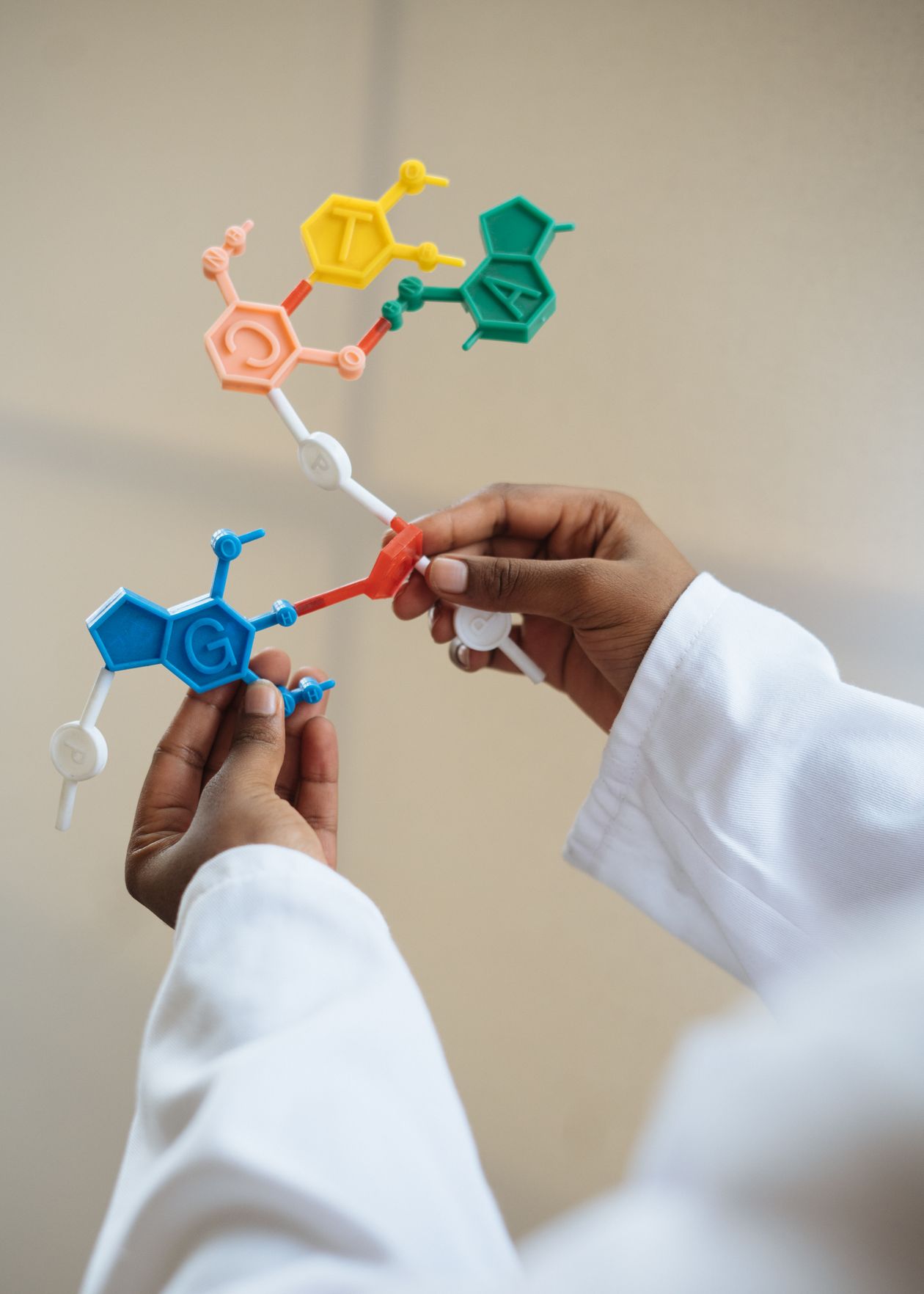
So where does this leave us?