
The CRISPR Gene Editing Therapy FDA Approval 2026 is trending due to its promising applications in treating genetic diseases. Honestly, this is wild - we're talking about a technology that can edit human genes with unprecedented precision. But what does this actually mean for our health and medical systems? Look, here's the deal: CRISPR gene editing has the potential to treat and even cure devastating diseases that were previously untreatable.
What is CRISPR Gene Editing Therapy?
CRISPR (Clustered Regularly Interspaced Short Palindromic Repeats) is a powerful gene editing tool that allows scientists to edit DNA sequences with ease. This technology has been making waves in the medical community, with many experts hailing it as a big deal for treating genetic diseases. According to a study published in the journal Nature, CRISPR gene editing has shown remarkable success in treating sickle cell anemia and other genetic disorders.
So where does this leave us?
How Does CRISPR Gene Editing Therapy Work?
The CRISPR gene editing process involves several steps, including designing a small RNA molecule that can locate a specific gene sequence, and then using an enzyme called Cas9 to cut the DNA at that site. This creates a double-stranded break in the DNA, which can then be repaired using a template with the desired sequence. As the image above shows, this process can be used to treat a wide range of genetic diseases, from brain disorders to neurological conditions.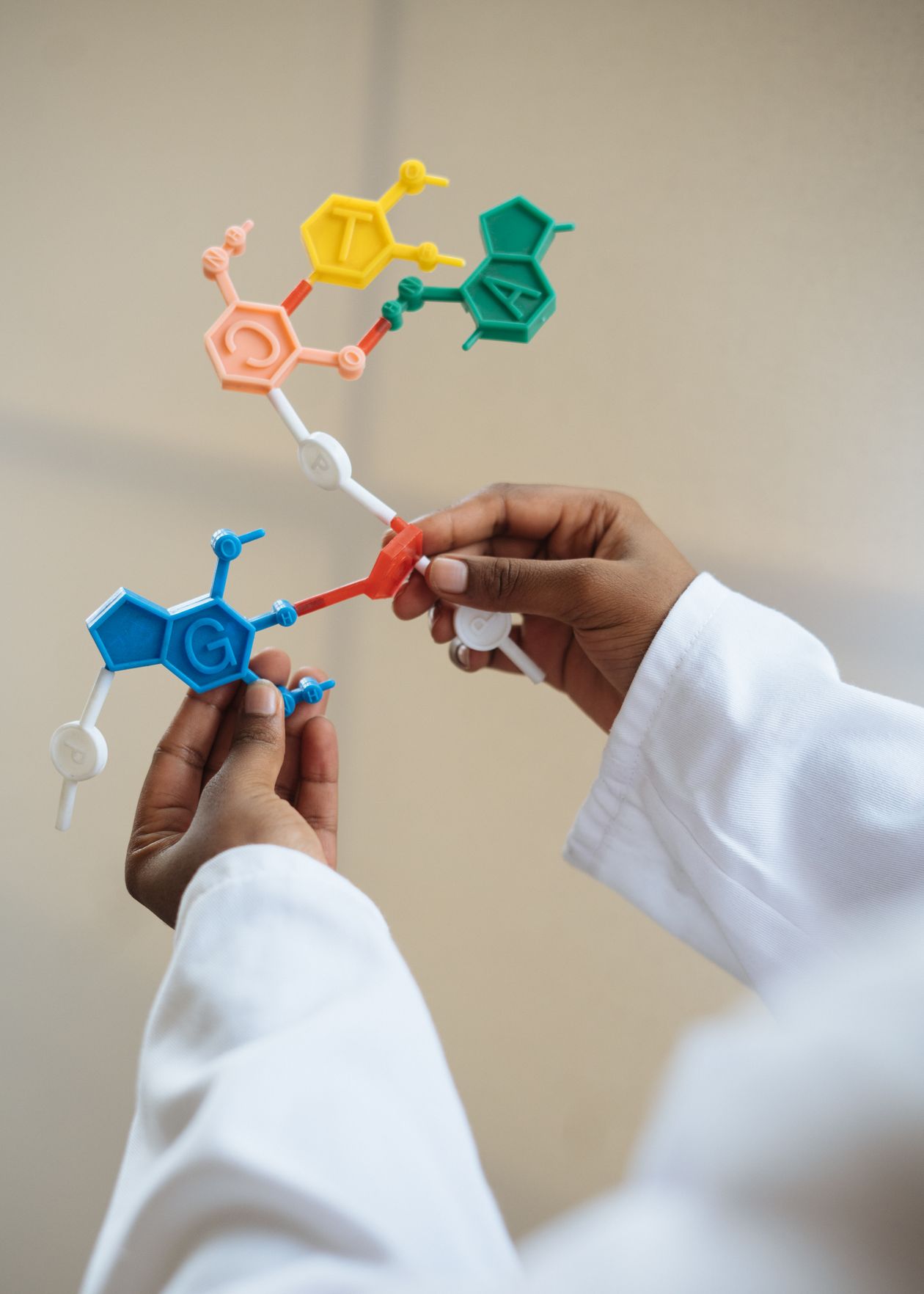
What are the Potential Applications of CRISPR Gene Editing Therapy?
The potential applications of CRISPR gene editing therapy are vast and varied. Some of the most promising areas of research include: * Treating genetic diseases such as sickle cell anemia and cystic fibrosis * Developing new drugs and vaccines for infectious diseases * Creating novel brain therapies for neurological disorders * Improving our understanding of the human genome and its role in disease
But here's where it gets interesting.